Grammatica
-
Understanding “Qualcosa di… / Qualcosa da…” — A Bilingual Grammar Guide
Learn the difference between qualcosa di and qualcosa da
-

Italian Sequence of Tenses Made Easy: Real Examples and Common Mistakes
The sequence of time can be tricky in Italian. Let’s break it down together.
-
Reflexive vs Non-reflexive Verbs in Italian
Learn the difference between reflexive and non-reflexive verbs
-
Italian Quick Guide: How to Use CI and NE
Two tiny words you hear all the time in Italian. Here’s a clear, practical way to master them at A2–B1
-
Italian Noun Gender Quiz
Practice identifying the gender of Italian nouns with this interactive quiz. Choose whether each word is masculine, feminine, or both (common gender). Instant feedback and score included — a fun way to reinforce one of the trickiest parts of Italian grammar!
-

Definite Articles in Italian
In English, the definite article is always the. In Italian, the form changes depending on: Masculine Articles Feminine Articles Definite Articles
-
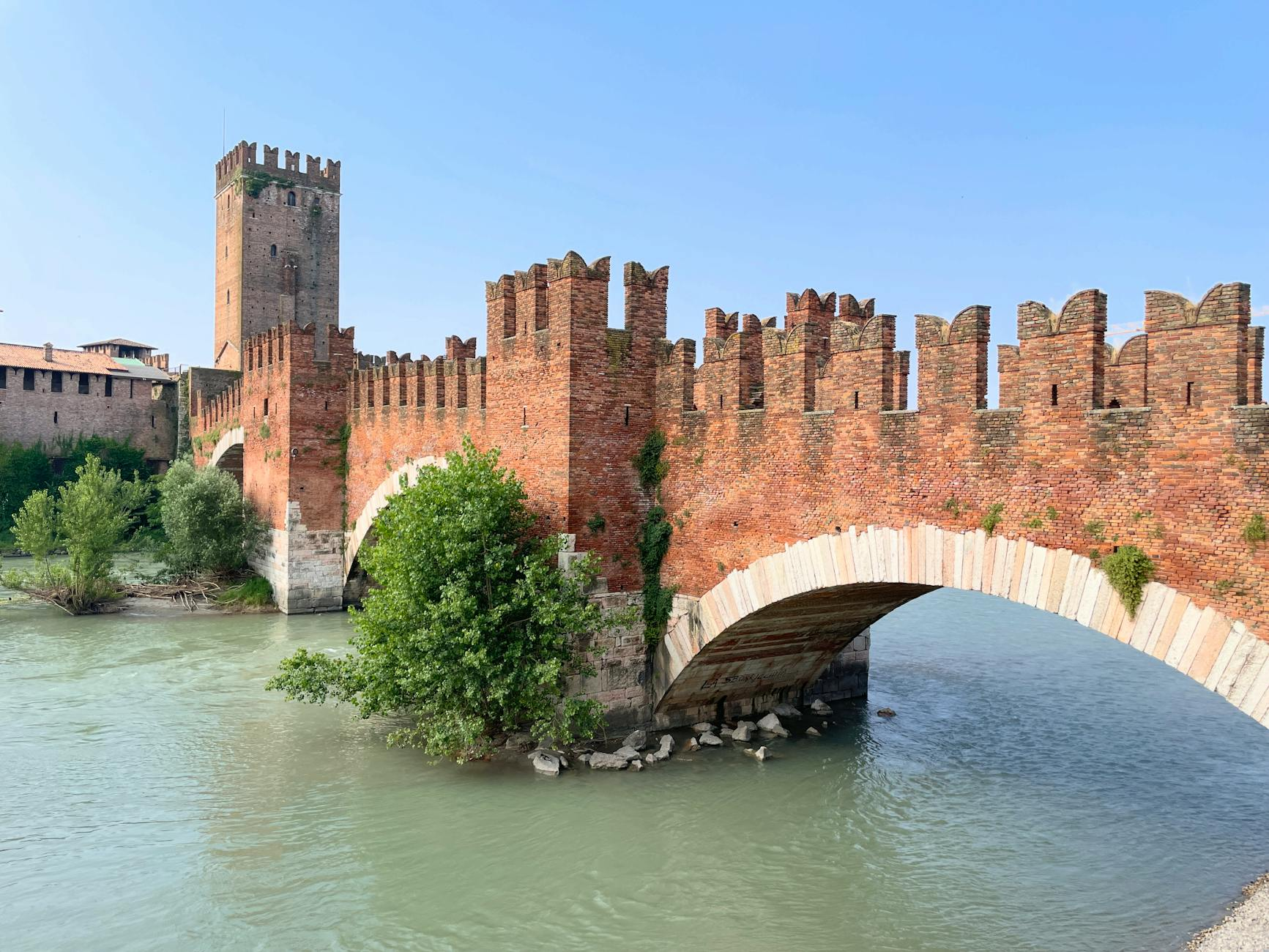
Gender and Number of Italian Nouns
In Italian, every noun has a gender (masculine or feminine) and a number (singular or plural). Masculine nouns usually end in -o (singular) → -i (plural).es. libro → libri Feminine nouns usually end in -a (singular) → -e (plural).es. casa → case Nouns ending in -e can be masculine or feminine. Their plural ends in -i.es. stazione (f.) → stazioni; esame (m.) → esami Some nouns are irregular and do not follow…
-

The Verb Fare in Italian: Present, Past Tenses and Everyday Expressions
The verb fare (to do; to make) expresses the idea of doing or producing something. It comes from the Latin facere and does not follow the regular conjugation pattern of -are verbs: it is irregular.
-

The Present Indicative in Italian — Regular Verbs
Mastering the Italian present tense (indicative mood) is essential for beginners. Regular verbs follow simple patterns based on their endings: -are, -ere, and -ire. In this guide you’ll find easy conjugation tables, clear examples, and tips on how to use regular verbs in everyday Italian.